
Gardening at high altitudes presents a unique set of challenges- and opportunities. If you live 5,000 feet or more above sea level, you’ve probably noticed that the growing season is shorter, the nights are cooler, and the weather loves to keep you guessing! In my zone 7A in the southern rocky mountains of New Mexico, summer monsoon rains can bring the temps down into the 40s and 50s in the mid summer days! But don’t let that stop you! With a few strategic adjustments, you can grow a vibrant, productive garden that thrives in mountain (or high desert) conditions.
Understanding the Challenges
High altitude gardening isn’t just about growing with less oxygen- though that plays a role too. Here are some of the most common hurdles:
- Shorter Growing Season: Late frosts in spring and early ones in fall can really limit what and when you can grow.
- Cool Nights: even in midsummer, night time temps can drop significantly, stressing out heat-loving plants.
- Intense SUNLIGHT: I repeat this IS a big one in high altitude! UV rays are stronger at high altitudes. For every 1,000 feet of elevation gain, UV exposure can increase by 4-10%! Don’t take my word for it. Look into it! The stronger UV rays can tend to scorch seedlings and leaves. This happens to me almost every year on some of my plants!
- Wind + Hail: Sudden storms or gusty winds are more frequent and can flatten plants in you’re not prepared. Even if you ARE prepared, this is honestly still a challenge.
- Poor or Rocky Soil: Many mountain garden soils need lots of TLC. I make sure and add lots of chicken manure and also will start growing cover crops this fall to add nutrients back into the soil.
Strategies for Success
Here are some tried-and-true tips to help you beat the altitude blues and grow a health, happy garden:
- Know Your Frost Dates
Look up your frost dates online. OR keep a garden journal from year to year and mark things down so you can look back from year to year to see how things changes, extend, or shorten. Remember, things like tomatoes like consistent night time temps in the upper 40s at the very least and warm soil. That means transplanting tomatoes may not even happen when your last frost date passes. Season extension techniques like a green house, cold frame, or row covers can give you a few extra weeks on both ends.
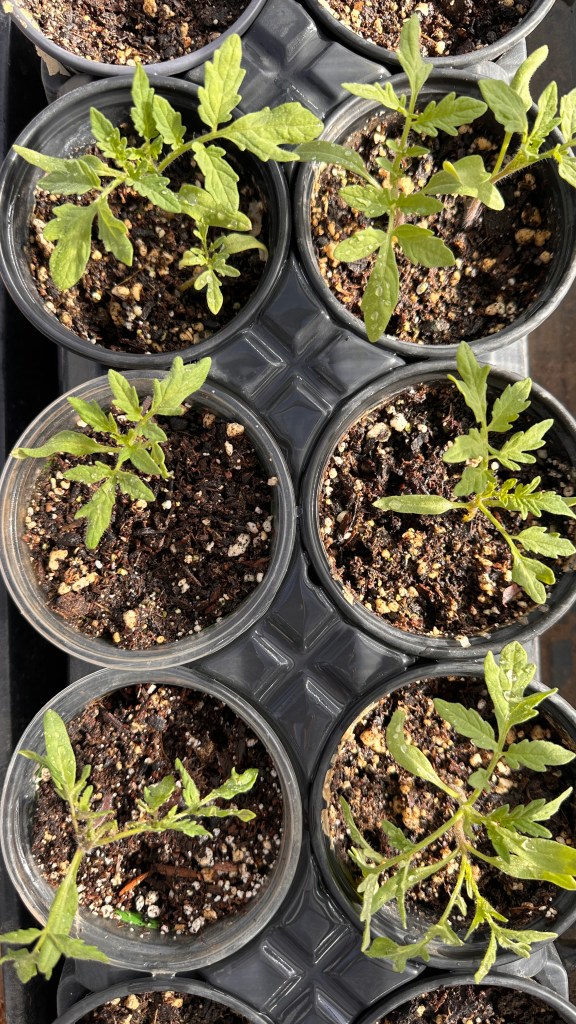
2. Start Seeds Indoors
Because of the short season, starting seeds indoors is almost essential for many vegetables. Tomatoes, peppers, herbs, and some flowers often need that head start to produce before the first frost. I prefer to start squash in ground outdoors after our last frost date.
3. Choose Cold-Hardy, Quick-Maturing Varieties
Look for varieties labeled “early”, “cold-tolerant”, or “short-season”. These are bred well to perform well in areas with a short growing window. I prefer to buy any seed from other high altitude gardeners who sell their seed. My go to has always been Miss Penn’s Mountain Seeds out of Colorado.
4. Mulch and Protect
Mulching helps regulate soil temperature, conserve moisture, and prevent erosion- especially important in dry, windy environments. Windbreaks like fences or shrubs can help or sun screens above the top of your plants can help as well.
5. Feed Your Soil
Mountain soil is often low in organic matter. Add compost, aged manure, and mulch generously. Think about adding a cover crop over winter that will also add nutrients back into the soil. Over time, this will build healthier soil and more resilient plants.
6. Water Wisely
Due to intense sun and wind, water can evaporate quickly. Water early in the morning or in the evenings. One thing I have NOT done but would work well is to consider adding drip irrigation to keep the soil consistently moist.
Embrace the Beauty of Mountain Gardening
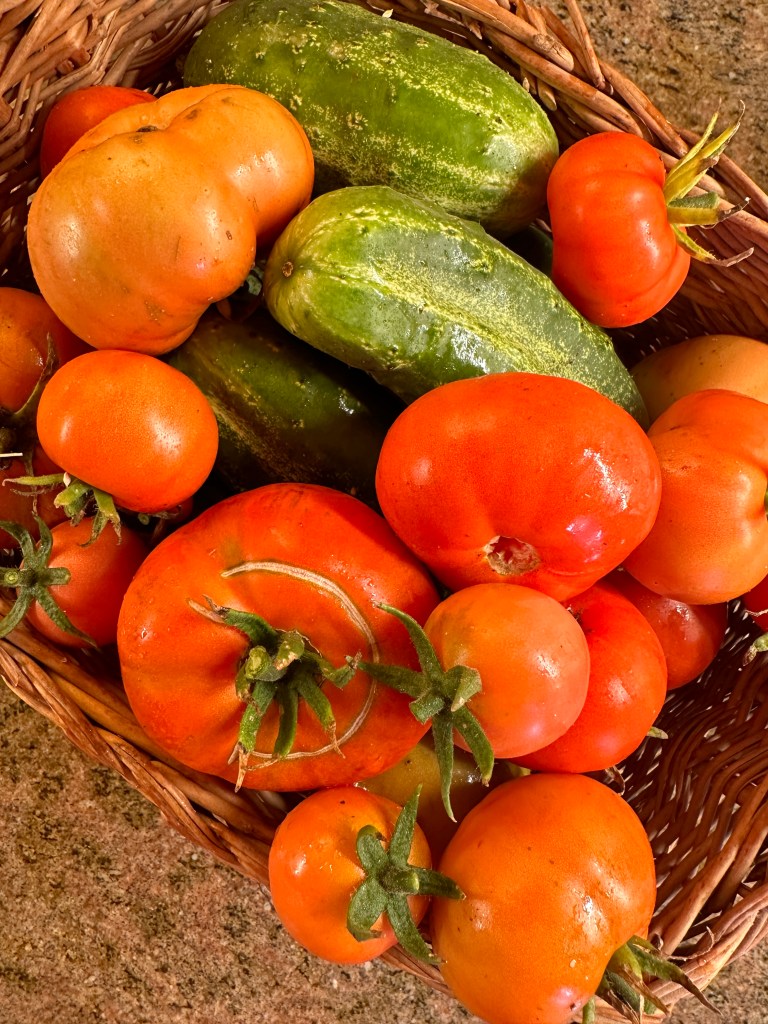
With a little patience and a lot of mulch, you’ll find yourself harvesting food and beauty from the soil- even in the clouds. Over the years I’ve learned how to work with the mountain climate instead of fighting it- and I am excited to share what’s helped me grown a garden in this beautiful and challenging environment. High altitude gardening has taught me resilience, patience, and a deep appreciation for every harvest. It’s not the longest season, but it can still be filled with color, flavor, and satisfaction!

 JT Homestead
Leave a comment